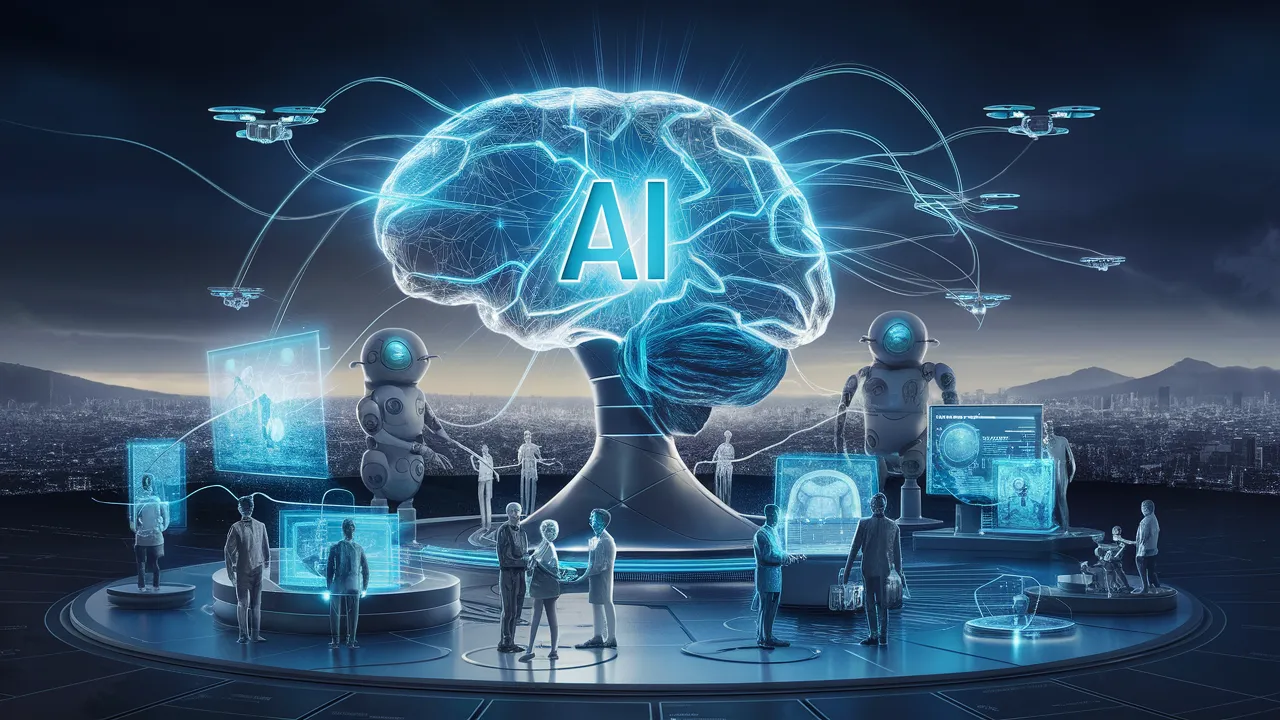
In the ever-evolving landscape of distributed networks, optimizing performance and efficiency is a critical challenge. The advent of artificial intelligence (AI) has introduced new dimensions in tackling this complexity, particularly through AI agent coordination facilitated by shared context. This innovative approach leverages the capabilities of AI to enhance communication, decision-making, and resource allocation across distributed systems.
Distributed networks consist of interconnected nodes that need to work harmoniously to achieve common objectives. Traditionally, managing these networks involved static algorithms or manual interventions which often resulted in inefficiencies due to their inability to adapt dynamically to changing conditions. However, with AI agent coordination through shared context, there is a paradigm shift towards more adaptive and intelligent network management.
AI agent coordination agents are autonomous entities capable of perceiving their environment and making decisions based on predefined goals. In distributed networks, these agents can be deployed at various nodes where they continuously monitor network conditions and make real-time adjustments. The concept of shared context plays a pivotal role here as it provides a common framework within which these agents operate. Shared context refers to the collective understanding and knowledge about the state of the network that all agents have access to.
By sharing contextual information such as traffic patterns, node statuses, and environmental changes, AI agents can coordinate their actions more effectively. This ensures that decisions made by individual agents are aligned with the overall objectives of the network rather than conflicting with one another. For instance, if an agent detects congestion in a particular segment of the network, it can share this information through the shared context platform so other agents can adjust their routing strategies accordingly.
Moreover, shared context allows for enhanced predictability within distributed networks. By analyzing historical data alongside real-time inputs from multiple nodes via machine learning techniques integrated into AI systems; potential bottlenecks or failures may be anticipated before they occur—enabling preemptive measures instead reactive responses being employed after problems arise causing disruptions service delivery levels expected end-users experiencing them firsthand themselves!