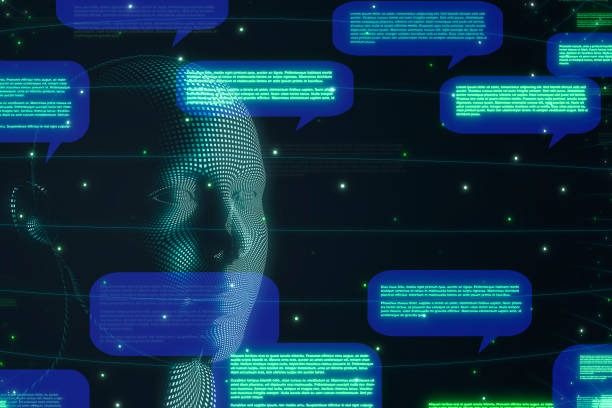
The advent of AI copywriters is revolutionizing the marketing landscape, heralding a new era in text generation that promises to transform how businesses communicate with their audiences. As technology continues to advance at an unprecedented pace, artificial intelligence has made significant strides in understanding and generating human-like text. This development is reshaping the way marketers approach content creation, offering both opportunities and challenges.
AI copywriters utilize sophisticated algorithms and machine learning models to produce written content that mimics human writing styles. These tools can generate anything from social media posts and product descriptions to full-length articles and email campaigns. The efficiency of Text generation AI lies in its ability to process vast amounts of data quickly, enabling it to craft messages that resonate with target audiences while maintaining brand consistency.
One of the primary reasons AI copywriting is transforming marketing is its capacity for personalization at scale. Traditional methods often struggle with tailoring content for diverse audience segments due to time constraints and resource limitations. However, AI can analyze user data to create highly personalized messages that cater to individual preferences, thereby enhancing customer engagement and driving conversions.
Moreover, AI-powered tools offer marketers an invaluable resource for optimizing their strategies through continuous learning and adaptation. By analyzing performance metrics such as click-through rates and conversion statistics, these systems can refine their output over time, ensuring that each piece of content aligns more closely with consumer behavior patterns. This iterative process allows brands to stay ahead of trends and maintain relevance in a rapidly changing digital environment.
Despite these advantages, the rise of AI copywriting does not come without concerns. Critics argue that reliance on automated systems may lead to a loss of creativity and originality in marketing materials. While machines excel at producing grammatically correct text based on predefined rules or templates, they may lack the nuanced understanding required for truly innovative or emotionally resonant content.
To address this issue, many companies are adopting a hybrid approach by integrating AI tools into their existing workflows rather than replacing human writers entirely. This collaboration allows marketers to leverage the strengths of both humans and machines—combining creative insights with data-driven precision—to produce compelling narratives that capture audience attention effectively.
In conclusion, AI copywriters are undeniably reshaping the future of marketing by streamlining processes like never before while offering unprecedented levels of customization for consumers worldwide. As businesses continue exploring new ways technology can enhance communication efforts across various platforms—from digital advertising campaigns down through personalized outreach initiatives—they will inevitably discover even more applications where intelligent automation proves indispensable toward achieving success within today’s competitive marketplace dynamics driven largely by technological innovation itself!